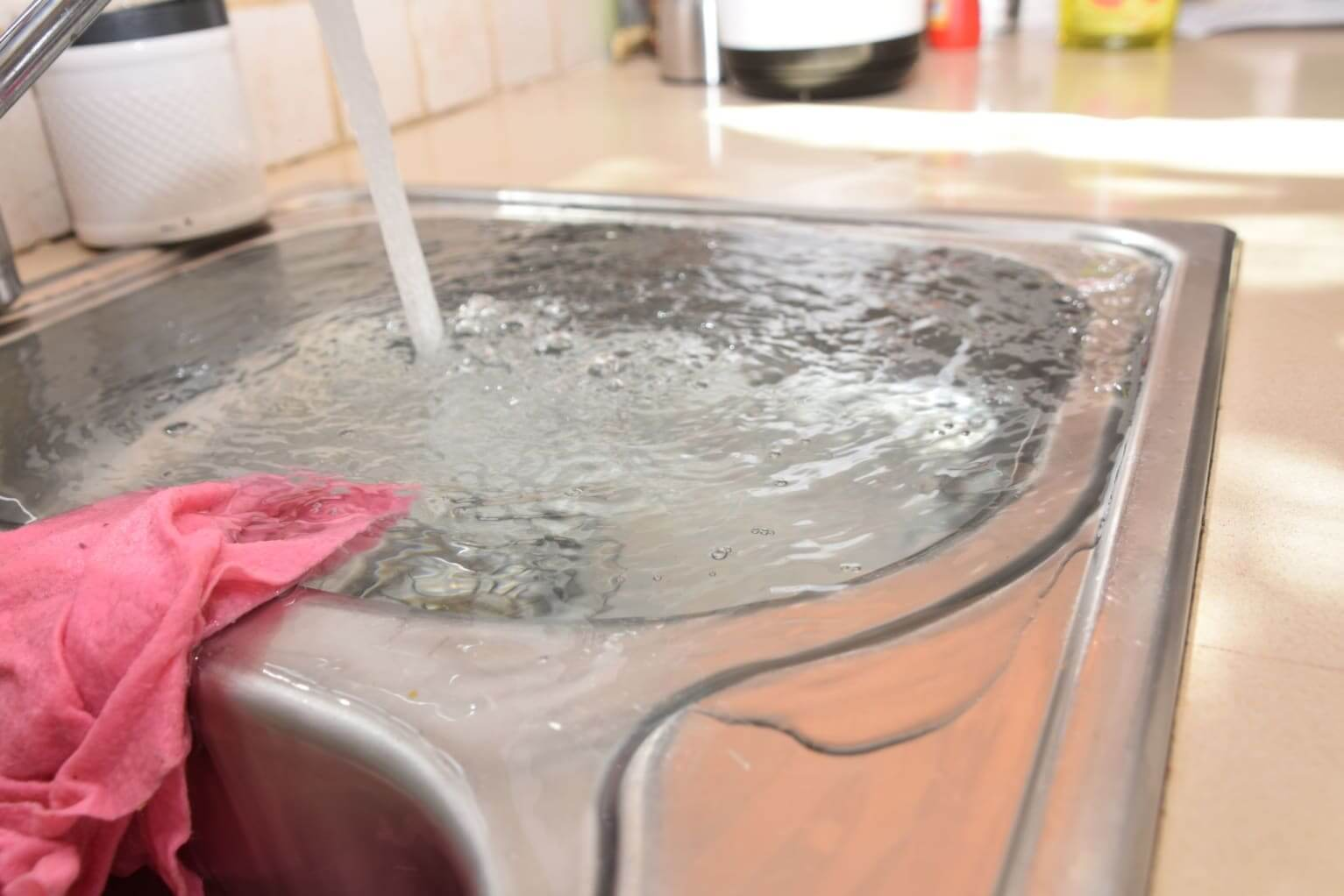
Most main sewer line failures start with small warnings you can actually spot: multiple slow drains at the same time, gurgling toilets, sewer smells around sinks or tubs, and backups that keep coming back even after you clear a clog.
Those are signs the main line is starting to clog or break down, not just a one-off bathroom issue. Homeowners who stay in “wait and see” mode usually meet the problem again later as standing wastewater on the floor instead of just a noisy drain.
For a typical Greenville house, the tipping point is when slow drains, odd noises, and lower-level backups start showing up together.
At that stage, you are already past basic plungers and store-bought cleaners and into main line trouble that calls for professional drain cleaning in Greenville, SC. Acting there protects flooring, finishes, and your time instead of scrambling after a full sewage backup.
Sign 1: Multiple Drains Slowing Down Together
A single slow sink can be a basic clog. When several fixtures start draining slowly at the same time, your main line is sending a clear message. Tubs, showers, and first floor or basement toilets are especially sensitive to main line issues because they sit close to where wastewater leaves the house.
If you see slow drainage move from one room to another over a few days, this is not something to keep “testing” with store bought cleaners. Those products may briefly move debris, but they can also sit in the pipe and damage it, especially in older homes with cast iron or clay lines that are common across the Upstate.
Sign 2: Gurgling Noises, Odors, And Air Bubbles
Sound and smell are early red flags. Gurgling and slurping noises from toilets, tubs, or floor drains often mean trapped air is fighting past partial blockages in the main line instead of venting cleanly.
You may also notice sewer gas smells near drains or bursts of bubbles in a toilet when you drain a nearby sink or tub. That usually means flow is restricted somewhere downstream, and wastewater is forcing air to move through fixtures instead of through the roof vent. It is annoying, but it is also your warning light.
Sign 3: Backups In The Lowest Fixtures Of The Home
Main sewer line problems usually show up first in the lowest level of your house. That might be a basement shower, a downstairs bathroom, or a floor drain in a utility or laundry room.
If you run a washing machine upstairs and see water backing up into a tub or floor drain downstairs, you are no longer dealing with a simple clog.
At that point, continuing to run water is a gamble. One big load of laundry, a long shower, or a weekend with extra guests can push the system past its limit and send wastewater onto finished floors or into storage areas you actually care about.
Sign 4: Recurring Clogs That Never Really Go Away
If you keep fighting the same drain issue every few months, the real problem may be deeper in the main line. Clearing a fixture trap or snaking a short distance can give you short term relief, but grease buildup, scale, and small intruding roots can stay farther down the pipe and keep catching debris.
This pattern shows up a lot in established Greenville neighborhoods where big, healthy trees sit near the sewer line route. Even a small crack in the pipe can let roots in. They grow toward moisture and, over time, create a mat that narrows the line and leaves you one heavy rain or one busy weekend away from a serious backup.
How Pros Diagnose Main Sewer Line Trouble
Once several of these signs show up together, guessing is not much of a strategy. You need someone who can see inside the line, confirm the cause, and match the fix to your home and budget.
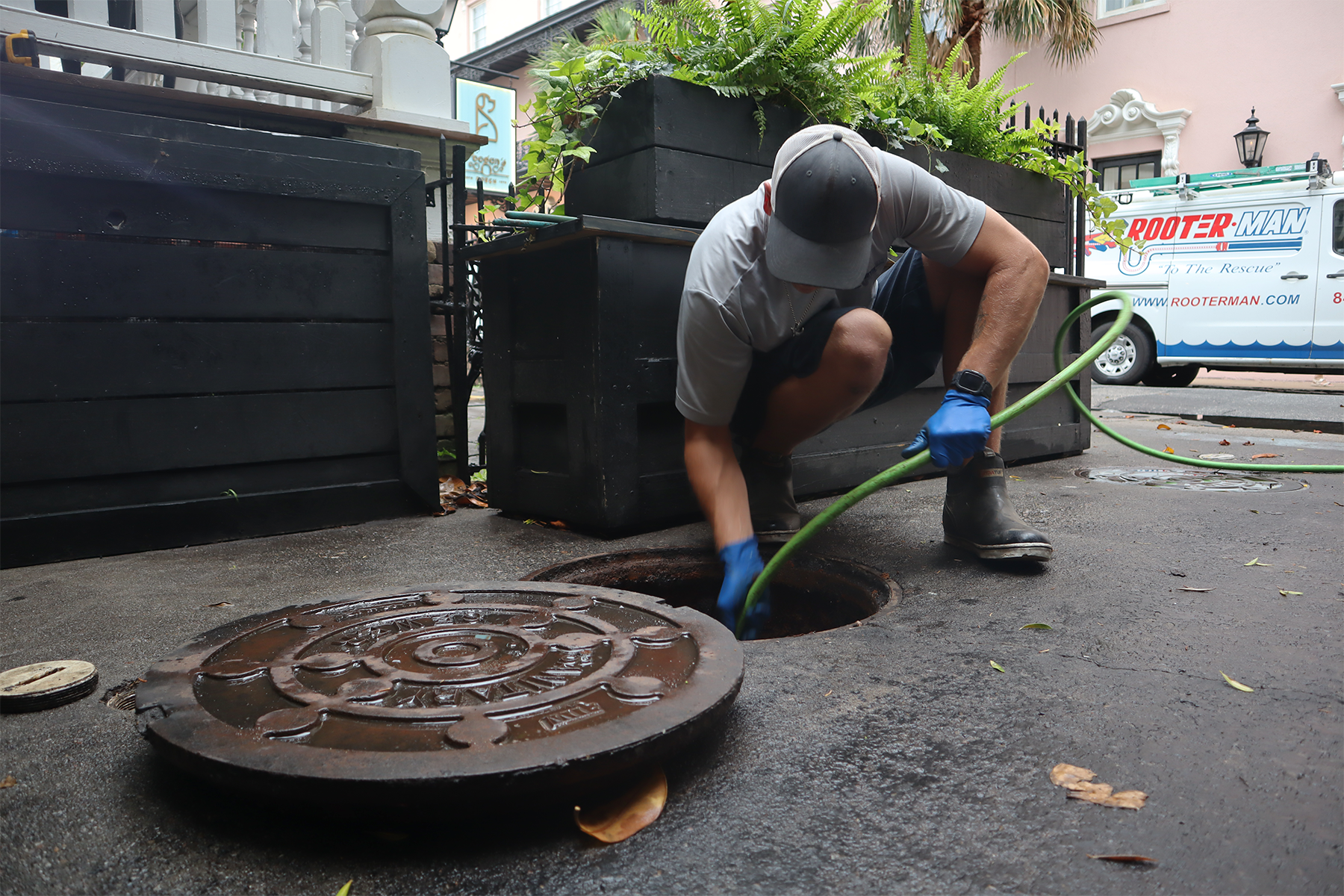
RooterMan of Upstate is a family owned plumbing and drain specialist serving Spartanburg, Greenville, and nearby communities with services like drain cleaning, sewer repair, hydro jetting, and camera inspections for homes and local businesses.
A technician will ask when symptoms started and which fixtures are affected. In some homes, a deep cleaning and inspection restore flow and give you a clear video record of pipe condition. In others, a focused repair of the bad section is the better long term answer.
Either way, professional drain cleaning in Greenville, SC is how you stop reacting to random backups and start understanding what is actually happening underground.
When To Call For Help Instead Of Waiting
It is reasonable to clear a one time hair clog in a bathroom sink or pull debris from a visible trap under the kitchen sink. Once symptoms stack up across the house, though, the risk of do it yourself fixes goes up fast. Forcing a basic drain snake into the wrong cleanout or dumping harsh chemicals into old pipes can make the next repair more expensive than it needs to be.
If you notice a mix of slow drains, gurgling, odors, backups in lower fixtures, or recurring clogs, treat that cluster of signs as your signal. Write down what you are seeing, note which fixtures are involved and how often it happens, and get a professional opinion while the system is still moving water, even if imperfectly.
Catching main line trouble at this stage is almost always cheaper and less stressful than waiting for a full failure.
Conclusion: Pay Attention To What Your Main Line Is Telling You
Your main sewer line does not fail without warning. It gives you slow drains, odd noises, bad smells, and repeat clogs long before wastewater ends up on your floors. Paying attention to those signals and bringing in an experienced local plumber for drain cleaning in Greenville, SC protects your home, your time, and your budget.
If you are ready to stop guessing and get clear answers about your main sewer line, schedule an appointment with RooterMan of Upstate.