Cold snaps, sticky summers, stormy afternoons, then a quick swing back to chilly nights. Upstate South Carolina keeps water heaters on their toes.
The fallout can be short showers, spiking energy bills, and leaks that appear without warning. If you have searched for water heater repair in Spartanburg, SC, you already know the local climate has a way of exposing weak spots.
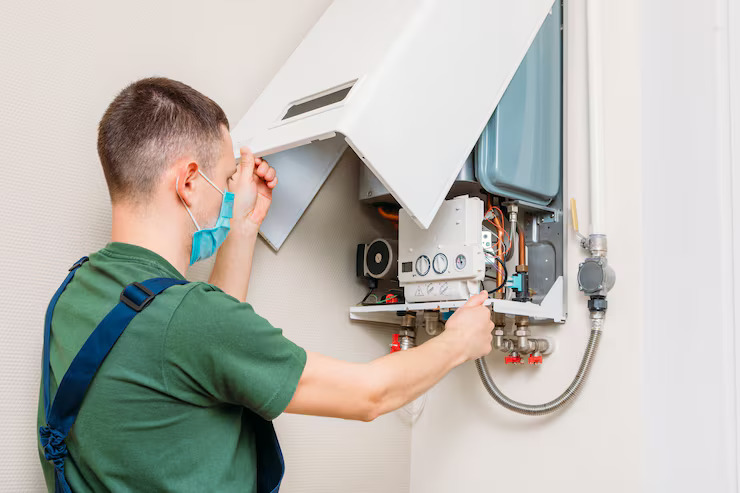
We install and repair gas, and electric units throughout the Upstate. Our goal is simple. Keep hot water steady, protect tanks and heat exchangers from weather stress, and help you choose the right fix with clear information.
Here is how local conditions shorten or extend a water heater’s life, and how our service plan adds years back.
How Upstate Weather Stresses Water Heaters
Winter swings strain tanks and fittings
Fast temperature changes make metal expand and contract. That cycling stresses tank seams, nipples, and threaded joints. A small drip today becomes staining or a damp pan next week. We look for those early signs during service so repairs happen before drywall or flooring gets involved.
Summer humidity speeds corrosion
Moist air condenses on cool tank surfaces, especially in garages, basements, or utility rooms with limited airflow. Frequent condensation accelerates rust on jackets and fittings and can shorten anode rod life. Improving ventilation and checking anodes on schedule slows that process.
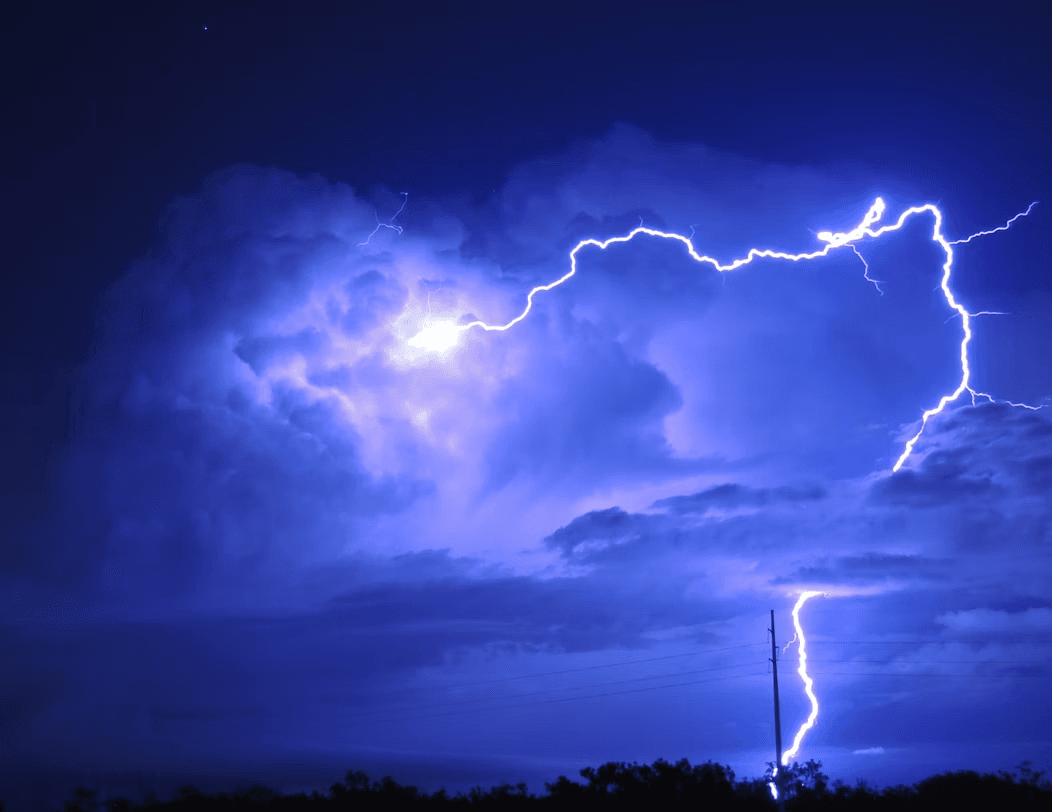
Storm season can be rough on controls
Lightning and utility hiccups can damage thermostats, control boards, and elements. A properly rated surge protector helps. We test controls, verify grounding, and replace damaged parts so the unit heats evenly again.
Local water quality builds sediment
Mineral content settles at the bottom of a tank and blankets elements. That creates rumbling, slows recovery, and forces the heater to work harder.
A proper flush removes that layer and restores performance. For tankless units, descaling keeps the heat exchanger clean so temperature holds steady.
A Practical, Weather-Smart Maintenance Plan
Spring reset
Flush the tank, check anode condition, and test the temperature and pressure relief valve. If your heater sits in a space that sweats, we look at airflow and clearances to cut condensation.
Summer tune
Confirm electrical connections are tight and recommend surge protection or confirm an existing protector for sensitive electronic controls. For heat pump or hybrid models, clean filters and verify condensate drains are clear so humidity does not pool around the base.
Fall prep
Insulate accessible hot-water lines, confirm combustion air is clear for gas units, and verify vent terminations are free of leaves and debris. A quick check now prevents nuisance shutdowns during the first cold week.
After a strong storm
If lights flickered or a breaker tripped, call for a checkup. We verify elements, boards, and gas ignition parts before a surprise cold shower arrives.
Repair or Replace: Making the Call With Confidence
Some symptoms point to repair. Inconsistent temperature, a tripping reset button, a weak pilot, or discolored water often track back to replaceable parts or a needed flush. Signs that suggest replacement include steady leaks from the tank body, repeated control failures, or visible corrosion around the base that returns after service.
We follow a fast diagnostic path. Safety check first. Electrical or gas checks next. Then we inspect for sediment, test components, and verify venting or air supply.
If a repair makes sense, we lay it out plainly. If replacement is the smarter move, we explain why and match capacity to your household so you are not paying to heat water you will never use.
What Our Techs Do On Site
- Inspect shutoff valves, expansion tank, flex lines, and pan
- Flush sediment, descale tankless heat exchangers, and clean inlet screens
- Test and replace common water-heater components as needed
- Check anode rods and advise on replacement timing
- Verify venting is clear and properly terminated
- Recommend surge protection or confirm an existing protector for electronic controls
- Suggest simple airflow improvements in damp or unconditioned spaces
If you want visual documentation for your records, we can provide photos or short video clips on request for an additional charge. That way you know exactly what changed and why.
Upgrades That Help In Our Climate
- Anode maintenance to slow internal corrosion
- Leak alarms in the pan to catch issues early
- Expansion control where required to reduce pressure spikes
- Pipe insulation on hot lines near exterior walls
- Surge protection for units with electronic boards
- Relocation or ventilation tweaks for heaters in damp or unconditioned spaces
Small changes like these keep performance steady through seasonal swings and reduce surprise failures.
Notes for Landlords and Property Managers
Turnovers are ideal for a flush and inspection. Vacant weeks reveal slow leaks and vent issues that go unnoticed during busy months. If you manage multiple addresses, we can align visits to create a simple rotation.
Units with frequent guests or accessory apartments may need a shorter service interval. Consistent maintenance records make future decisions straightforward instead of rushed.
The Quickest Path Back to Hot Water
Start with symptoms. Rumbling, long heat-up times, a pilot that will not stay lit, or error codes on a tankless display all help us focus the visit. Share the unit location and age if you know it. We bring the right parts and get you back to normal with minimal disruption.
If you are weighing water heater repair in Spartanburg, SC after a cold snap or a power surge, we can stabilize the system and set a plan that fits your home.
Ready To Protect Your Water Heater From Upstate Weather
Seasonal swings do not have to shorten your heater’s life. A smart schedule, a clean tank, and a few targeted upgrades keep showers hot and bills reasonable. If you want an expert set of eyes on your setup, we are ready to help.
Schedule an appointment with RooterMan of Upstate: https://www.rootermanupstate.com/contact/
Tell us what you are seeing, and we will inspect, service, and set a plan that fits your home and your climate.